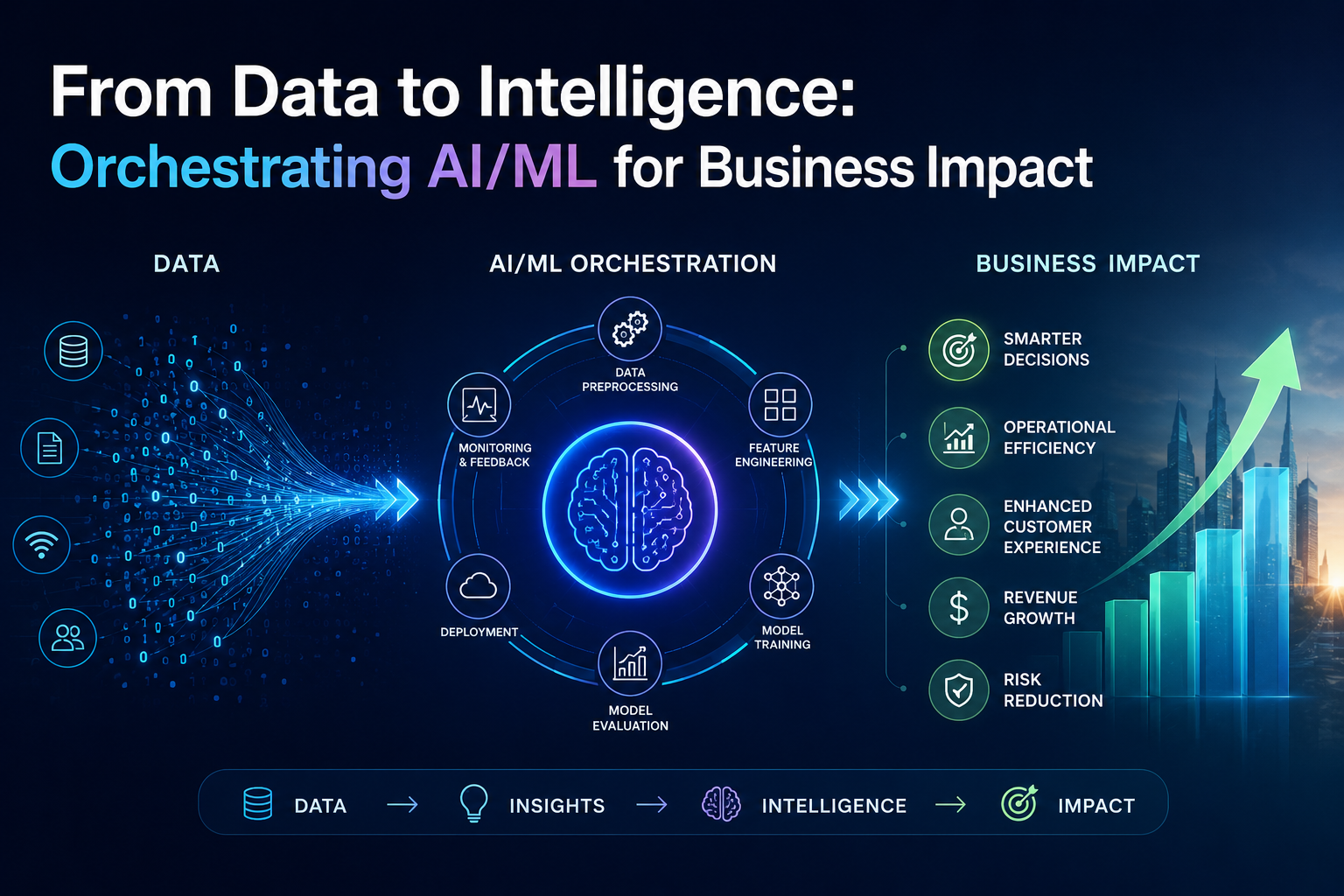
As a full-stack engineer and analytical thinker, I often diagnose that the primary barrier to digital value isn't a lack of data, but the inability to operationalize it into intelligence. We need architectures that do more than just scale infrastructure; we need systems that scale business logic. Moving beyond a standard database module or a simple cloud environment, an effective modern architecture integrates an intelligence core—leveraging micro-optimizations across data modules and structured ML models—to ensure systems maintain high responsiveness, ultra-light operation, and are ready to turn complex data modeling concepts into concrete business growth without accumulating massive technical debt.
When engineering high-volume, performance-driven MODERN platforms, utilizing reusable layout structure ecosystems and modular intelligence components is critical for codebase maintenance and modular component hierarchies. Utilizing Layout structures allow developers to easily scale logical data objects across varied niche implementations—whether deploying a global scheduling system, a complex e-commerce catalog, or a predictive maintenance KPI dashboard. By prioritizing micro-optimizations within the intelligence core and integrating thorough automated test cases in the pipeline, we ensure that digital systems are lightweight and ultra-responsive, directly meeting ambitious conversion metrics and long-term product viability goals.
Ultimately, a digital solution is only as strong as its technical alignment and strategic validation. Developing comprehensive technical blueprints helps reduce breaking changes during rapid sprints, but true technical leadership means validating your application behavior at every turn, transitioning from raw data strategy to realized enterprise value. By prioritizing decoupled, intelligent core systems and integrating rigorous verification plans with standard quality control, full-stack engineers can map agile milestones directly as active business drivers, delivering production-ready platforms that perform fluidly at scale under heavy real-world demands, securing sustained business growth and a decisive market advantage.


