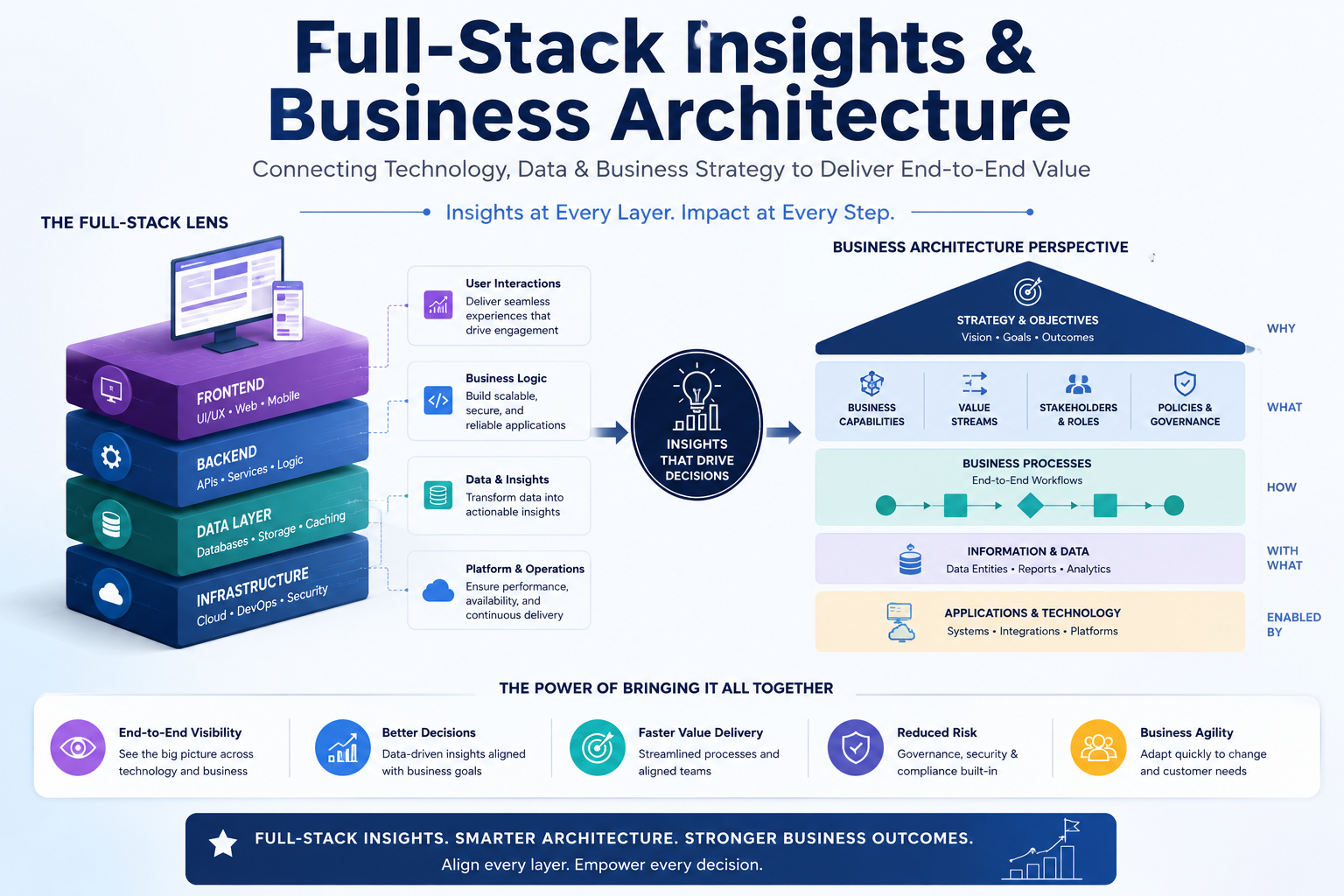
As a full-stack engineer operating at the intersection of product strategy and software engineering, I frequently see development teams run into a classic bottleneck: building brilliant features that struggle to align with shifting business objectives. Modern frameworks like Next.js and robust database schemas like MongoDB provide exceptional technical baselines, but the real engineering breakthrough occurs when your technical stack is intentionally decoupled to allow rapid structural adaptations based on business metrics. Building complex web platforms requires more than just clean syntax; it demands an analytical eye that treats performance optimization as a core driver for conversion metrics and long-term product viability.
When engineering high-performance modern web platforms, managing modular component hierarchies is critical for codebase maintenance and fast feature iteration. Utilizing layout structures such as reusable template ecosystems allows developers to easily scale layout components across varied niche implementations—whether deploying a high-traffic reservation platform or a complex e-commerce system. By emphasizing micro-optimizations, leveraging Tailwind CSS utility classes efficiently, and maintaining consistent architectural requirements across data modules, we ensure that digital systems remain remarkably light, ultra-responsive, and ready to absorb market changes without crumbling under technical debt.
Ultimately, a digital solution is only as strong as its foundation of quality and technical alignment. Implementing early, rigorous quality control workflows alongside structured development plans helps reduce breaking changes during rapid sprints. As applications grow in complexity, integrating thorough, automated test cases and verification models secures your logic layer and safeguards your customer interactions. True technical leadership means validating your application behavior at every turn, turning sophisticated architectural concepts into concrete business growth, and delivering production-ready platforms that perform fluidly at scale under heavy real-world demands.


